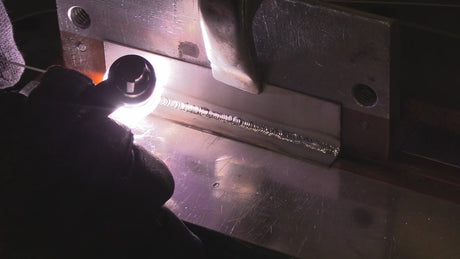
This is the Video on How to TIG Weld Aluminum I Wish I had when I was learning.The Video above explains and Demonstrates everything listed below and more.

Simplified settings for both Steels and Aluminum

IF you are looking for an affordable TIG welder for aluminum, the primeweld tig225x is the best value I have found

Understanding Aluminum Before Striking an Arc
Aluminum welds differently from steel for one key reason: it forms a hard oxide layer that melts at triple the temperature of the base metal. The moment you clean it, it starts reforming. This oxide acts like a shield that prevents proper fusion unless it is removed during welding.
Why AC TIG Is Essential for Aluminum
In DC TIG, heat travels primarily into the workpiece. That’s perfect for steel. But aluminum needs more than heat—it needs oxide cleaning action. That’s where AC TIG comes in. The EP (Electrode Positive) portion breaks up the oxide, while EN (Electrode Negative) delivers heat into the metal.
Dialing in AC Balance

- More Cleaning (+EP) = More oxide removal, wider etch zone, hotter tungsten.
- More Penetration (+EN) = Narrower etch zone, deeper weld, cleaner tungsten tip.
The goal is to set enough cleaning to maintain a shiny puddle without overheating your tungsten.
AC Frequency – Arc Shape Control
AC frequency sharpens or softens the arc. Lower frequency spreads the heat. Higher frequency focuses it. When welding fine details like inside corners, higher frequency gives better pinpointed control.
Hot Shortness – Why Fusion Welding Aluminum Cracks
Unlike steel, aluminum has almost no plastic range. It transitions from solid to liquid instantly. When it cools, internal stress has nowhere to go—so cracks appear. That’s why adding filler metal is not optional on most aluminum joints.
The Aluminum Drill – The First Step to Mastery
Training your eye on aluminum starts with simple beads on plate. Focus on:
- Consistent arc length
- Clean etch line
- Smooth filler rhythm
- Watching how the puddle wets out
Moving Into Real Joints
Once beads on plate are smooth and consistent, move to:
- Outside Corners – Higher frequency for arc control.
- Lap Joints – Watch oxide traps. Add a touch more cleaning.
- Tee Joints – Balance penetration and puddle control.
Each joint teaches something new about heat control and travel speed.